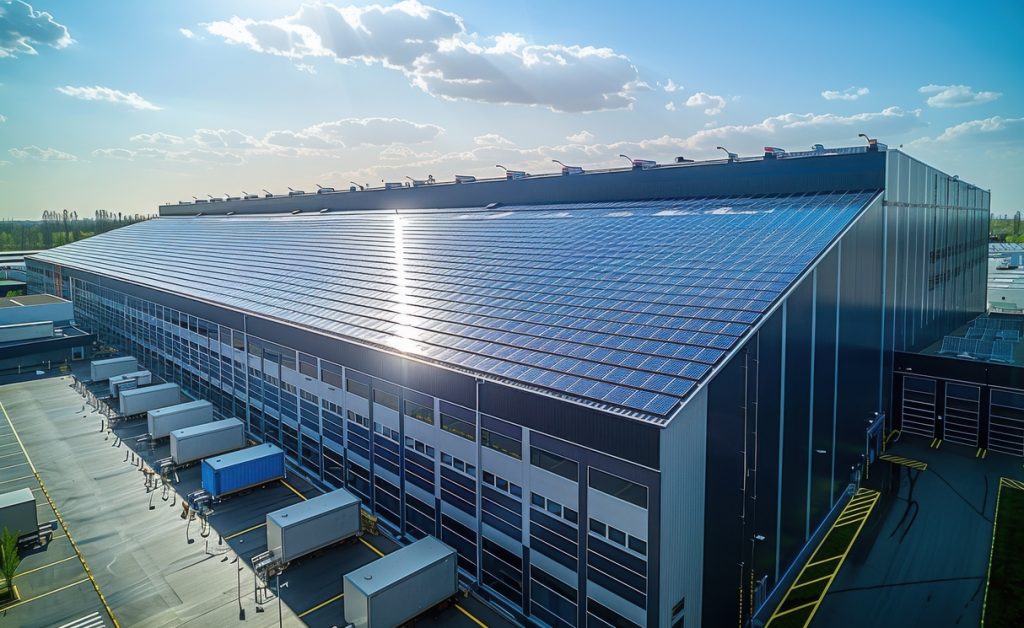
Commercial solar is no longer a niche project for large estates. Warehouses, offices, manufacturers, leisure sites and multi-site operators are all looking at rooftop generation because it gives them a way to use part of their own electricity before buying from the grid.
The key word is use. A solar array creates the most value when a business can consume a healthy share of the electricity on site during daylight hours. Export payments can help, but they should usually be treated as a secondary benefit rather than the main reason to invest.
Start with the roof and the load profile
The first checks are practical. Is the roof structurally suitable? Is there enough unshaded space? Is the building owned, leased, or subject to landlord consent? Are there plans to move, refurbish, add EV charging, or change operating hours?
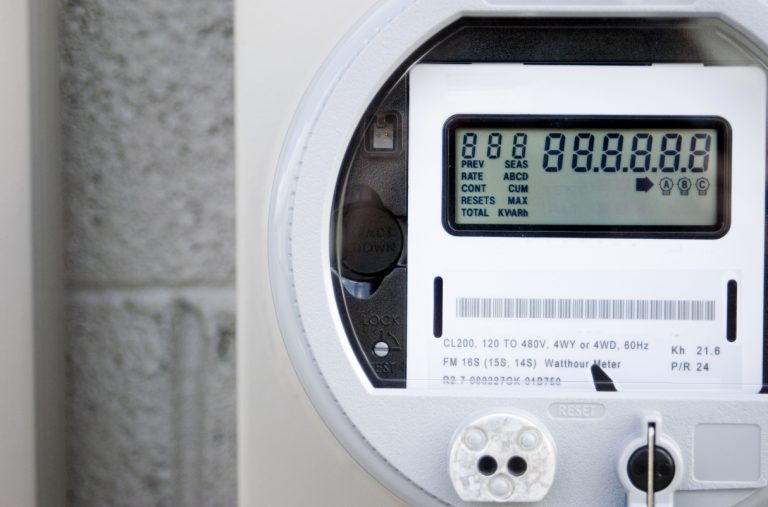
The second check is the usage pattern. A site that runs refrigeration, production lines, pumps, charging equipment or daytime office loads is often better placed than a site that uses most of its electricity in the evening. Half-hourly or smart meter data helps model that properly because it shows when electricity is being used, not just how much is used over a month.
Planning is often simpler than people expect
Many non-domestic solar installations can fall under permitted development rights, provided the project meets the relevant limits and conditions. That does not mean planning can be ignored. Listed buildings, conservation constraints, roof height, equipment placement and local requirements still matter, so it is worth checking the position before committing spend.
Grid connection and export assumptions matter
A solar project may need distribution network approval, especially where the array is larger or expected to export surplus power. This can affect timing, design and commercial assumptions. A good proposal should separate the expected value from self-consumption and the expected value from export, rather than blending everything into one optimistic payback figure.
The strongest commercial solar cases are usually built on conservative assumptions: real usage data, realistic export value, roof checks and clear maintenance expectations.
What to ask before signing
- How much of the generated electricity is expected to be used on site?
- What export rate has been assumed, and is it guaranteed or illustrative?
- What happens if the business changes operating hours or adds new equipment?
- Who is responsible for monitoring, maintenance and inverter replacement?
- Are planning, structural checks and grid connection work included in the proposal?
Commercial solar can be a strong way to reduce long-term exposure to grid costs, but it should be treated as an energy project first and a finance project second. The numbers are only as good as the site data behind them.